THE SONGS OF ADHARTACH · HISTORY AND FICTION

Faces in the novel.
Traces of history.

Meet the historical rulers and powerful families behind my novel, The Songs of Adhartach.

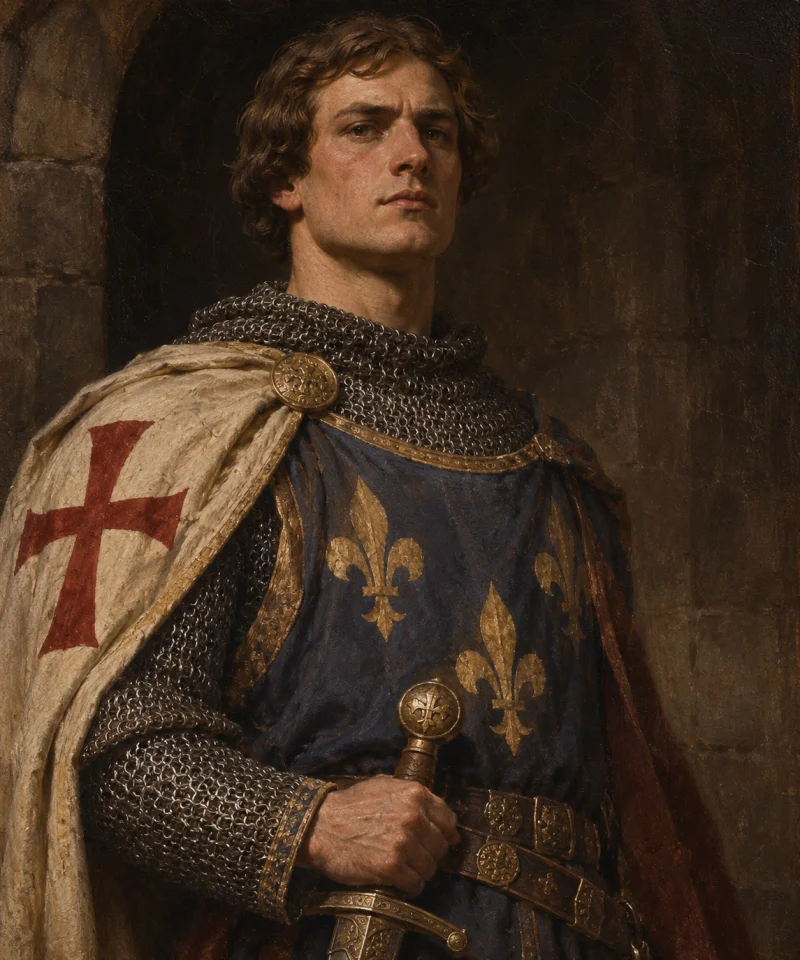
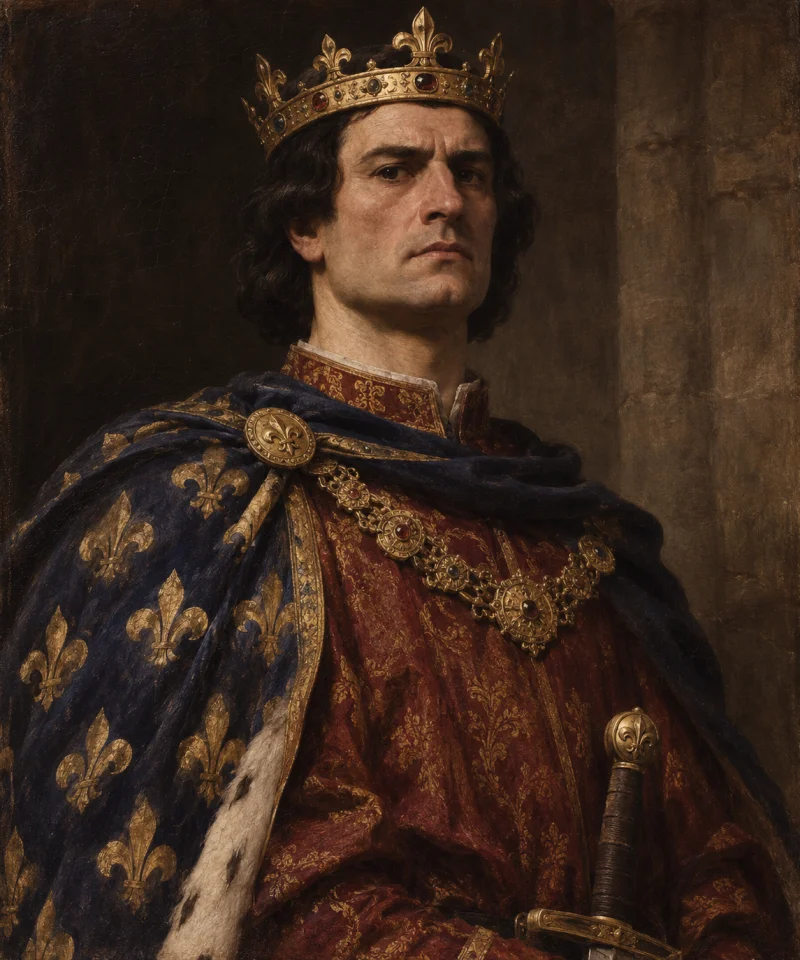
Louis IX and Margaret of Provence
King of France1214–1270

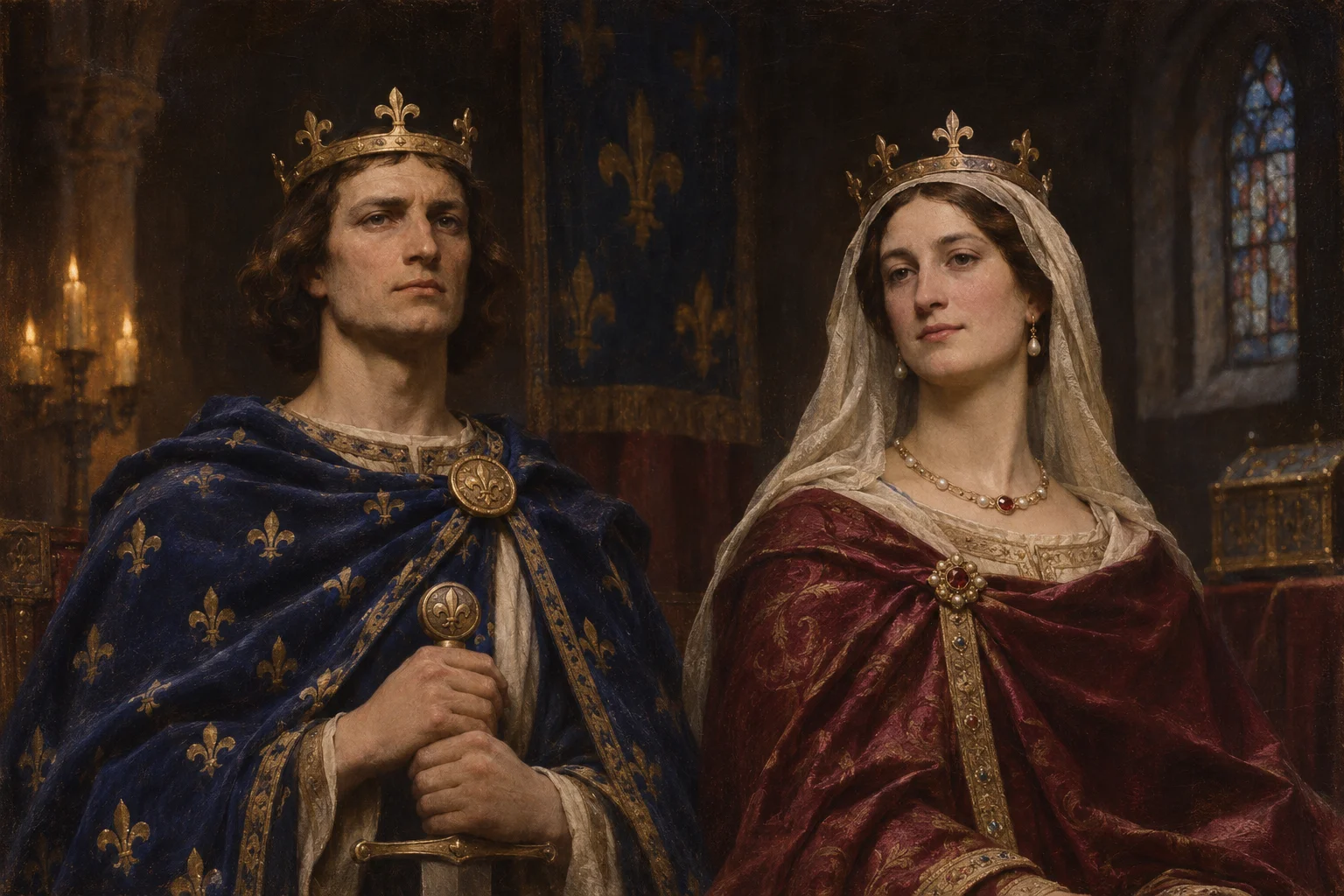
Louis IX and Margaret of Provence

Louis inherited the French throne at twelve. As king, he extended the reach of royal justice, curbed private wars among the nobility, and built the Sainte-Chapelle to house the Crown of Thorns.

Margaret of Provence (c. 1221–1295) accompanied Louis to Egypt. When he was taken prisoner, she promised to provision the Genoese and Pisans if they stayed in Damietta, keeping the city in French hands for the negotiations over his release.

Read more

During the Seventh Crusade, Louis took Damietta. His brother Robert died at Mansura, and disease and dwindling supplies forced the army to retreat. Louis was captured at Fariskur. The French returned Damietta and paid a ransom, and Louis spent another four years in the Holy Land.

Louis died of illness outside Tunis in 1270 during the Eighth Crusade. Boniface VIII canonized him in 1297. He was revered for his ascetic life, his care for the poor, and his devotion to justice.

Crown, faith and spectacle

In history

Louis IX paid 135,000 livres tournois for the Crown of Thorns — roughly half the kingdom’s annual income. He commissioned the Sainte-Chapelle to house the relics. Built in under seven years, the luminous chapel at the heart of the royal palace expressed both his faith and the power of the French crown.

In the novel

At Blois, a tournament is prepared for the king’s arrival. Knights clash before noble spectators; the royal presence makes the contest a chance to earn honour and recognition.

Find the setting on the map →
Charles of Anjou
Louis and his brothers1227–1285

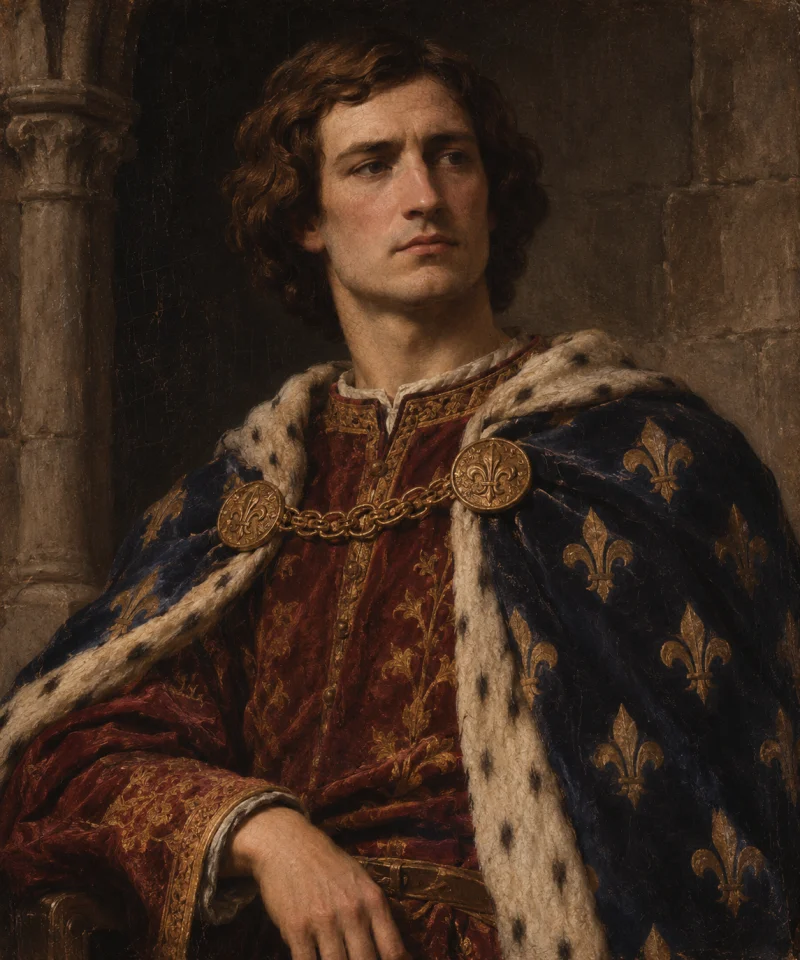
Charles of Anjou

Count of Anjou, Maine and Provence

In history

In 1256 Charles is still a count. His marriage to Beatrice brought him Provence. A decade later, his victory over Manfred at Benevento would secure the Sicilian crown.

In the novel

At Blois, Louis jokes that he would give Harcourt the crown if the baron were his brother. Charles and Alphonse shoot Harcourt sidelong looks. The king is laughing; his brothers are not.

Alphonse of Poitiers
Louis and his brothers1220–1271

Alphonse of Poitiers

Count of Poitiers and Toulouse

In history

Alphonse’s lands stretched from Poitou to Toulouse, which he inherited jointly with his wife Joan. When the couple died without children, Toulouse passed to the French Crown.

In the novel

At Blois, Alphonse answers his brother’s joke with a sidelong look at Harcourt. At Carthage, Louis orders him to storm the fortress guarding the wells on which the army depends.

Robert I of Artois
Louis and his brothers1216–1250

Robert I of Artois

Count of Artois · 1216–1250

In history

Robert led the crusader vanguard in Egypt. The success of the first assault drew him into the streets of Mansurah, where he was killed in 1250.

In the novel

Years later, the novel’s characters still remember the house in Mansurah where Robert and his companions fell. At court, Margaret of Provence promises Melanie she will ask Harcourt, who survived the fighting, to tell the story.

The road to the white tent
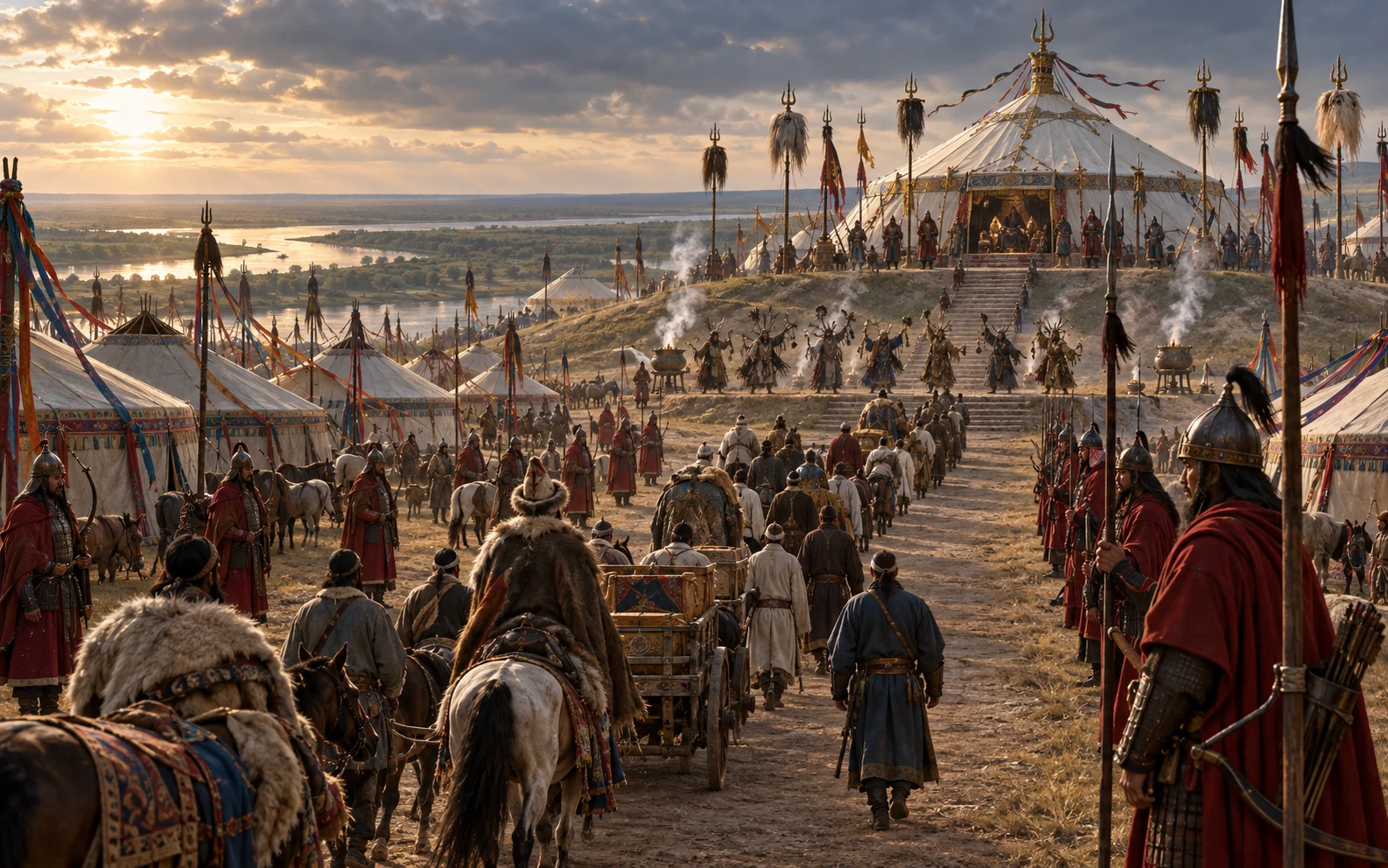
Ruler of the ulus of Jochic. 1205 – 1255/1256

Batu Khan

The road to the white tent

In history

Batu was Genghis Khan’s grandson, but ancestry alone did not account for his power. He led armies into Eastern Europe and established himself on the lower Volga. His influence reached the summit of the empire: in 1251, his support helped Möngke become Great Khan.

In the novel

Chetger Yarig reaches Batu’s summer court. Tents, gifts, guards and a procession of petitioners make the approach to the khan a trial in itself.

Find the setting on the map →
From the novel

A line of tents, adorned with colorful ribbons, stretched along a wide road to a snow-white tent on a hill.

Along the way, mighty warriors in red cloaks, armed with spears and bows, glared sternly at the long procession of people who had come to bow before the grandson of the great Chinggis Khan.

When the laughter stops
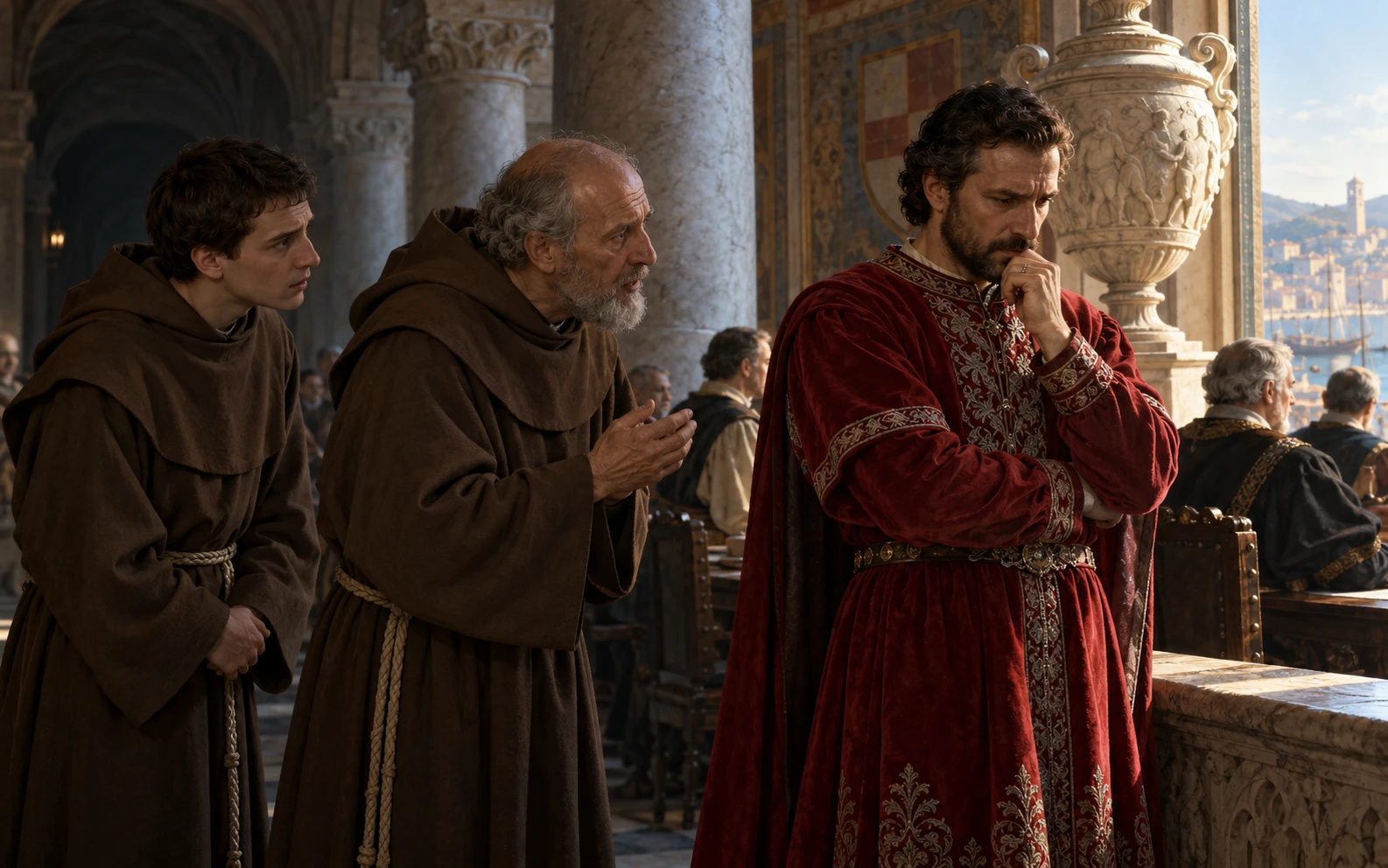
Genoese admiral and politicianbefore 1230 – before September 1306

Oberto Doria

When the laughter stops

In history

Before he commanded galleys, Oberto Doria traded. By 1251 he owned the Leopardo, with a crew of ninety; two years later, he sailed to Tunis with goods and money. The same man would later lead the Genoese fleet that defeated Pisa at Meloria in 1284.

In the novel

In the Savona episode, Brother Guillermo and Giovanni visit Doria. Their host greets them with a joke, but his visitors are not amused: their news is troubling.

Find the setting on the map →
From the novel

“And how am I to help you?” Doria asked, striking a playful pose. “Till I saw you, I felt as sound as a bull—though now my legs seem to weaken.”

He laughed at his own jest. Brother Guillermo did not.

History gives us names.
The novel brings an encounter.

Read the opening chapters →Back to the book →